Celiac Disease and Food Sensitivities
What You Need to Know About Hidden Triggers
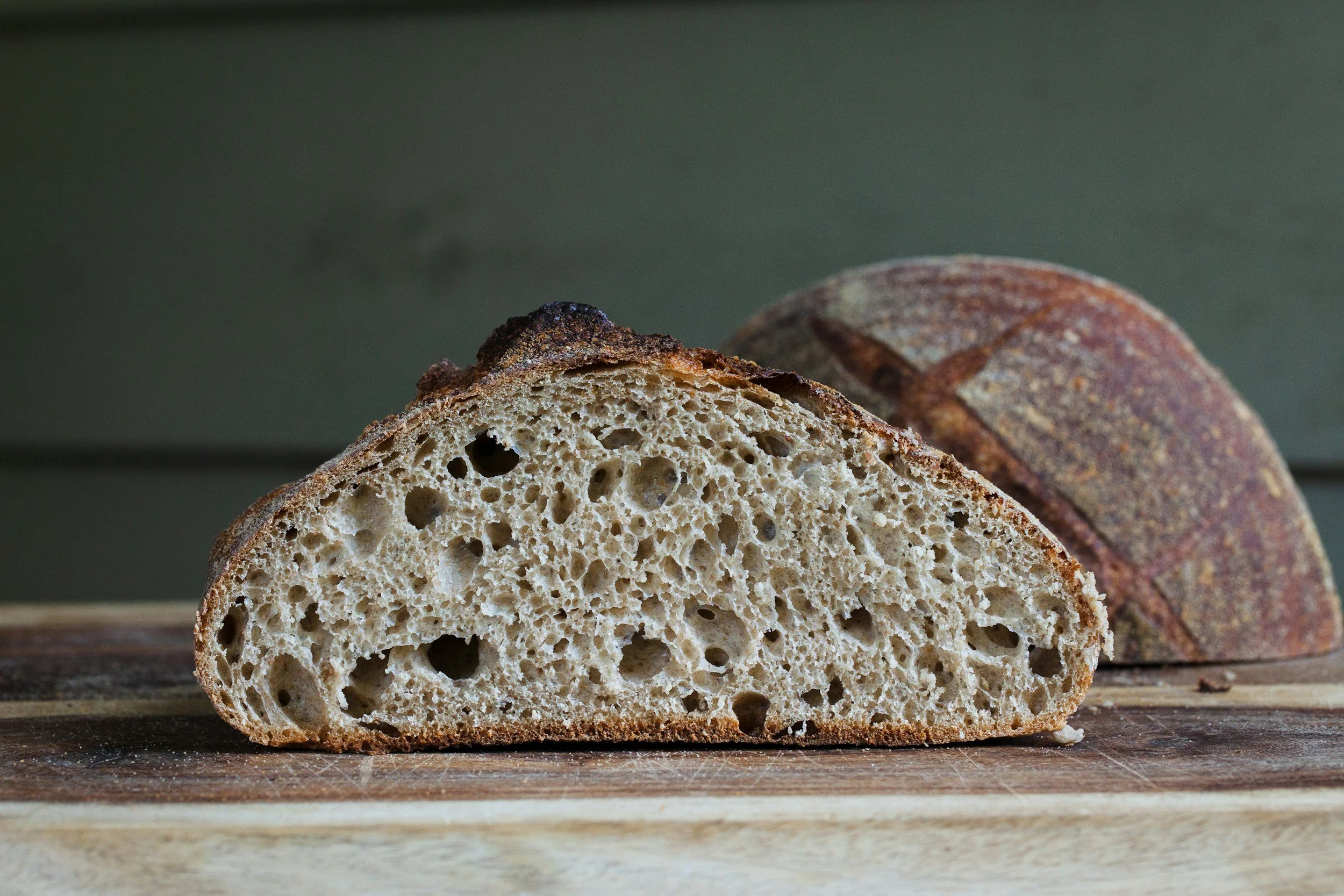
If you’ve been diagnosed with celiac disease and are still feeling off, even after removing gluten, you probably aren’t alone, and you aren’t imagining things. While going gluten-free is essential for many individuals, it’s often just the first step. Many people with celiac also struggle with additional food sensitivities due to a compromised gut.
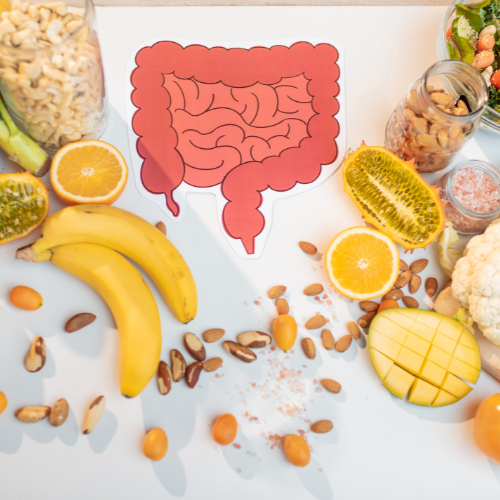
Celiac Disease and Leaky Gut: How They’re Connected
Celiac disease damages the small intestine, and this damage can lead to increased intestinal permeability, commonly known as leaky gut. When this happens, your body may start to react to other foods that were previously well tolerated, triggering symptoms like:
Bloating and/or gas
Brain fog
Fatigue
Skin rashes or acne
Joint pain
These aren’t classic food allergies but are often labelled as non-Ige food sensitivities or food intolerances.

Top Food Sensitivities to Watch After a Celiac Diagnosis
The most common secondary food sensitivities seen in people with celiac disease include:
Dairy (lactose or casein)
Soy products
Corn
Eggs
Nightshades (tomatoes, potatoes, peppers, eggplant)
Additives and thickeners in gluten-free processed foods
Dairy intolerance is especially common, as the intestinal villi (responsible for breaking down lactose) are often damaged in celiac patients. If you’re not sure where to start, this is where I would encourage you to begin.
How to Identify and Manage Food Sensitivities
If you're still experiencing symptoms despite a strict gluten-free diet, here’s how to move forward:
1. Keep a Food and Symptom Journal
Track everything you eat and how you feel afterward, I know this sucks, but this step will help you find patterns and you might even be surprised by what you find.
2. Consider a Guided Elimination Diet
If you can work with a professional, it will make these steps significantly easier. They should be able to guide you and shoulder some of the mental load.
3. Prioritize Gut-Healing Foods
Incorporate nutrient-dense options like:
Fruits and Vegetables
Fermented foods, if you aren’t experiencing gas/bloating/pain from them.
Green leafy foods
Foods rich in Omega-3 Fatty Acids
Gluten-free whole grains like quinoa or millet
4. Limit Processed Gluten-Free Foods
They often contain additives such as xanthan gum or tapioca starch, which may irritate a sensitive gut.
Healing is going to take a minute, but it’s possible!
If you have celiac disease and ongoing symptoms, you’re not alone. Healing your gut and identifying food sensitivities can take time, but with the right strategy, it is absolutely achievable.
As a nutritionist, I’ve seen firsthand how powerful a personalized, anti-inflammatory approach can be. Once your gut begins to heal, many food sensitivities become less reactive—or disappear altogether.
